Debunking Myths About Sustainable Building Practices: What Homeowners Need to Know
T3
Understanding Sustainable Building Practices
With the growing emphasis on environmental awareness, sustainable building practices have become a hot topic among homeowners. However, there are numerous myths surrounding this approach that can cause confusion. This article aims to debunk these myths and provide homeowners with a clear understanding of sustainable building practices.
One common misconception is that sustainable building is significantly more expensive than traditional methods. While there might be initial costs, the long-term savings on energy bills and maintenance often outweigh these expenses. Additionally, government incentives and tax breaks can further reduce the financial burden.
Myth 1: Sustainable Homes Lack Aesthetic Appeal
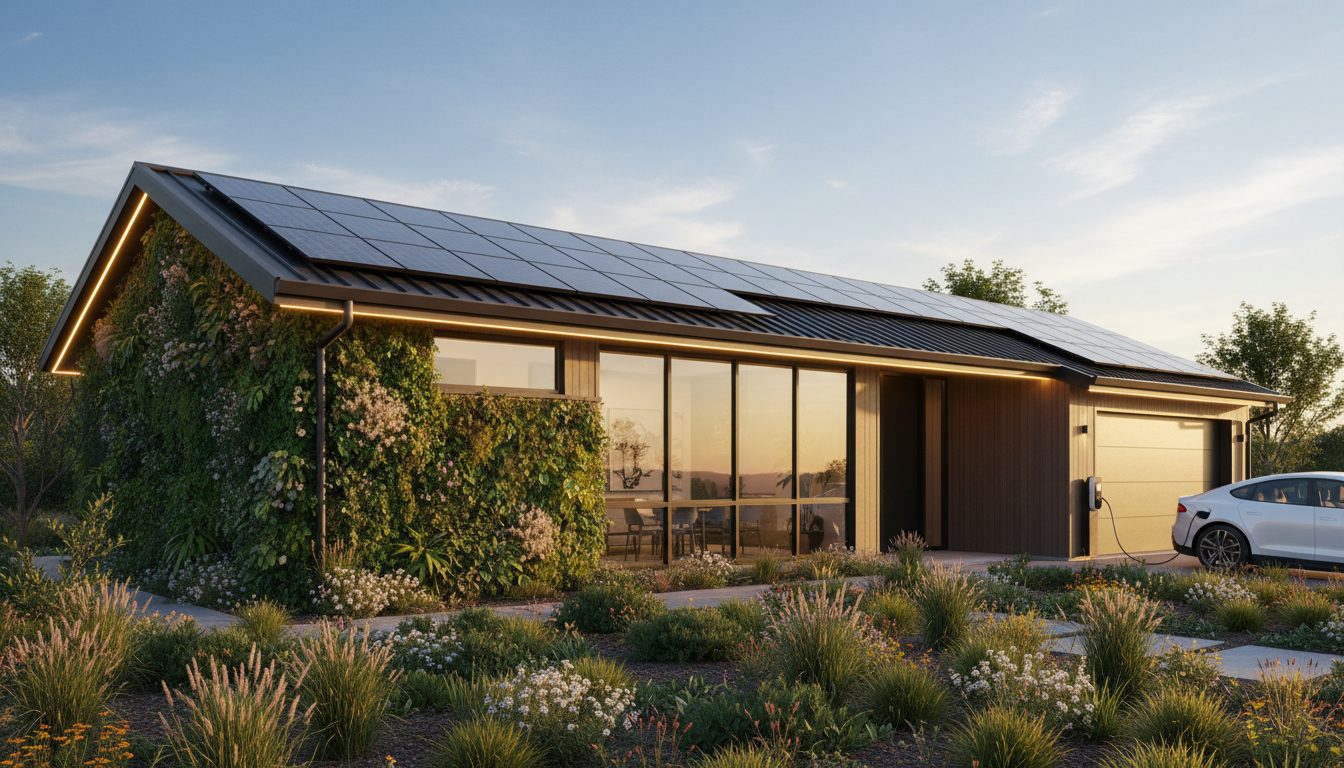
Many people believe that sustainable homes cannot be aesthetically pleasing. This is far from the truth. Modern sustainable building practices incorporate innovative design techniques and materials that offer both beauty and functionality. Homeowners can choose from a variety of styles that suit their personal taste while still being environmentally friendly.
Architects and builders are continually developing new ways to blend sustainability with design, ensuring that eco-friendly homes are not only practical but also visually appealing. From sleek, modern designs to traditional styles, sustainable homes can match any aesthetic preference.
Myth 2: Sustainable Building Is Only About Energy Efficiency
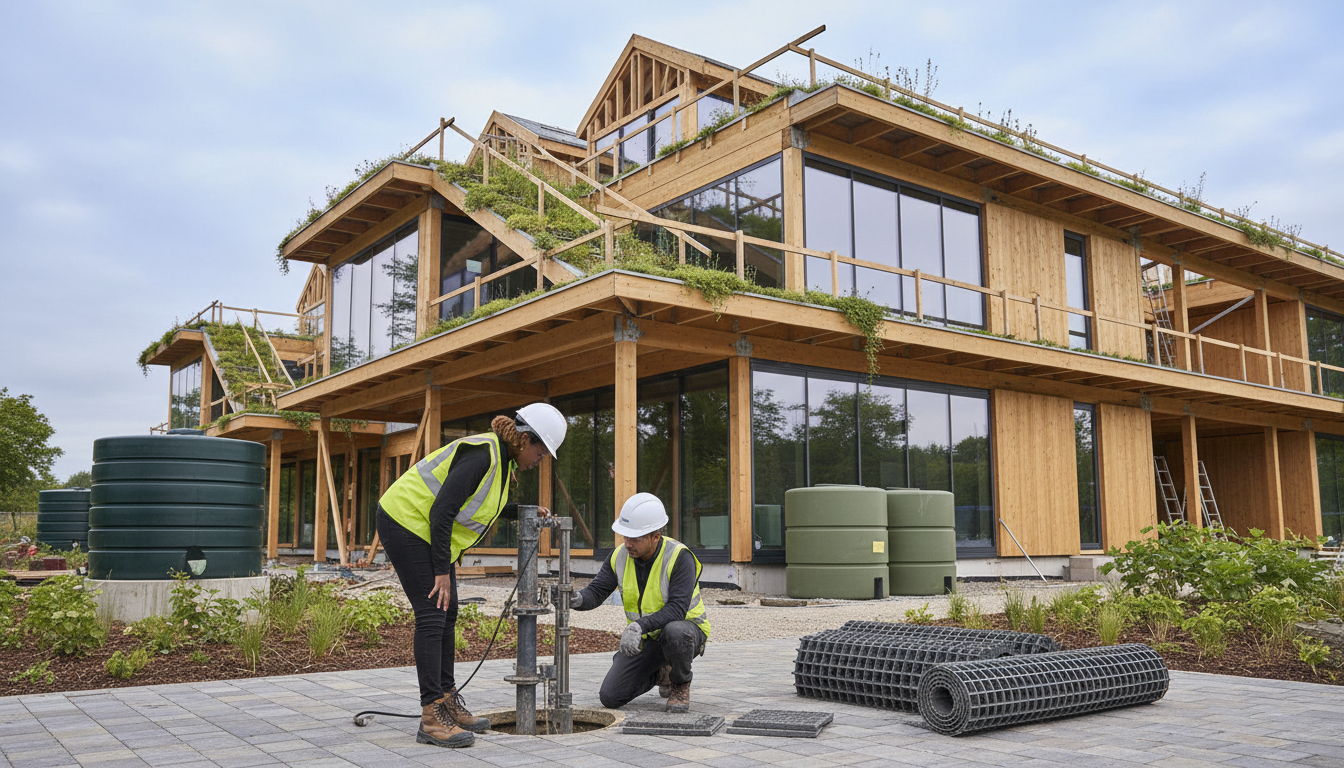
While energy efficiency is a crucial component of sustainable building, it is not the sole focus. Sustainability encompasses various factors, including water conservation, indoor air quality, and the use of renewable materials. Homeowners should consider all these aspects to create a truly sustainable living environment.
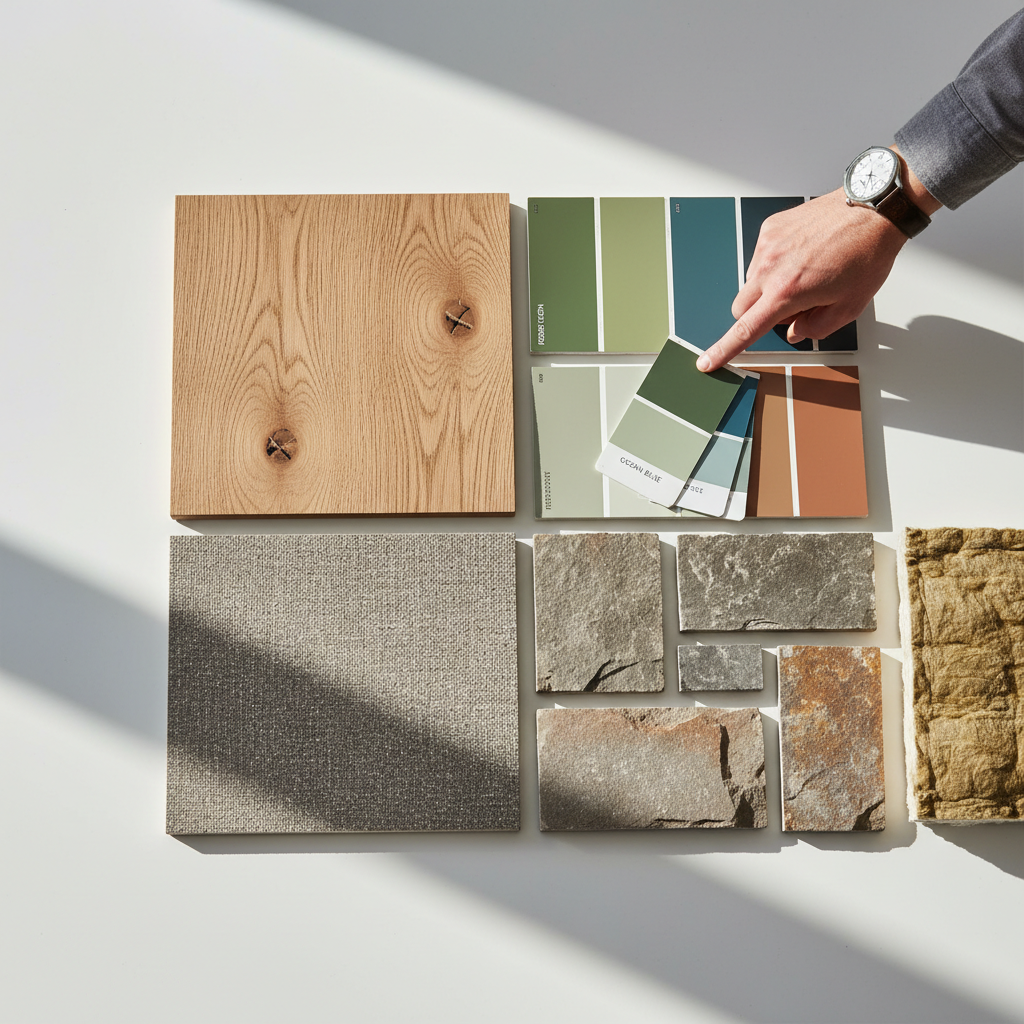
For instance, using non-toxic materials and ensuring proper ventilation can significantly improve indoor air quality, benefiting the health of the occupants. Additionally, sustainable landscaping practices can contribute to water conservation and reduce the overall environmental impact.
Benefits of Sustainable Practices
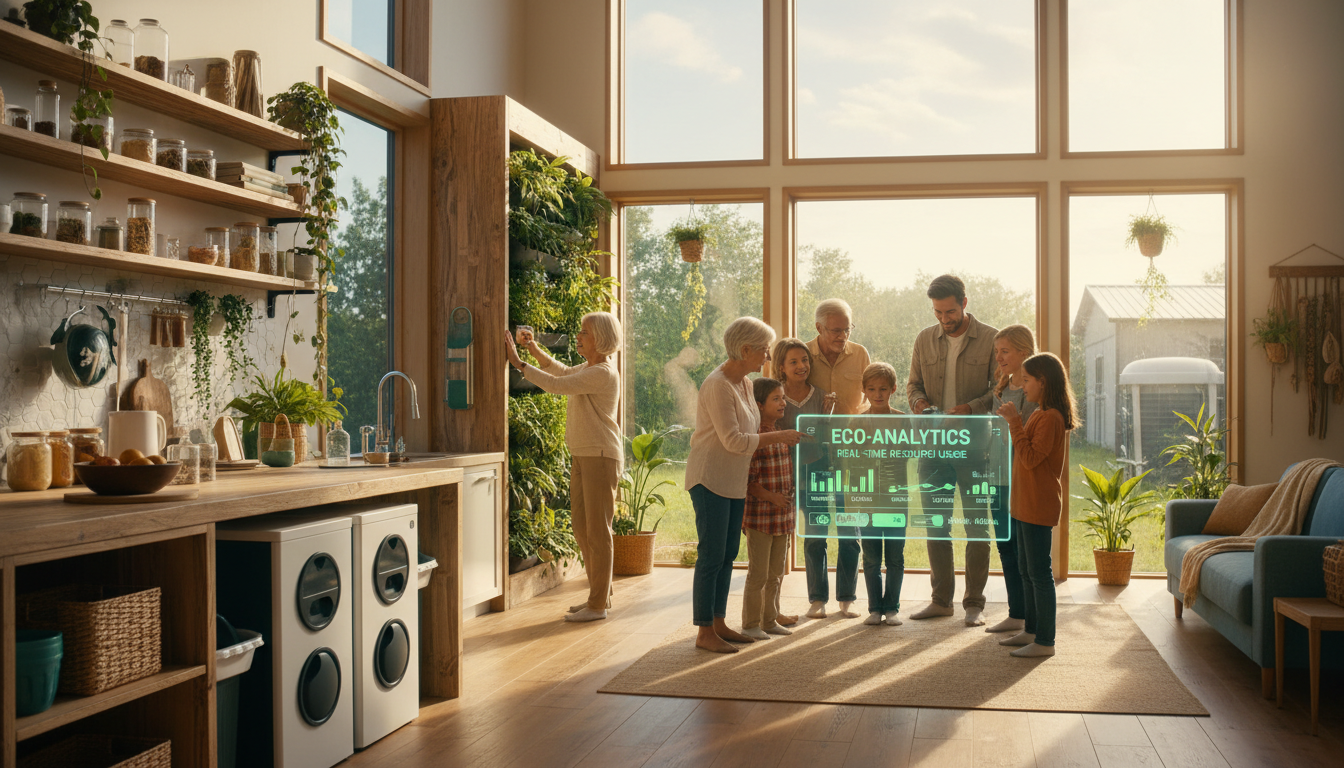
Embracing sustainable building practices offers numerous benefits beyond environmental impact. Homeowners often experience improved comfort and reduced utility costs. Energy-efficient appliances, proper insulation, and renewable energy sources like solar panels contribute to a more comfortable and cost-effective living space.
Furthermore, sustainable homes often have higher resale values. As more buyers seek eco-friendly options, the demand for green homes is on the rise. This trend can lead to a significant return on investment for homeowners who choose sustainable building practices.
Myth 3: Sustainable Building Is a Passing Trend
Some skeptics view sustainable building as a fleeting trend, but the reality is quite the opposite. With increasing awareness of climate change and resource depletion, sustainable practices are becoming a permanent fixture in the construction industry. Governments and organizations worldwide are promoting sustainability to ensure a better future for the planet.
As technology continues to advance, sustainable building practices will only become more efficient and accessible. Homeowners who adopt these practices are not only contributing to a healthier planet but also future-proofing their homes.